The Square & Compasses
The universal emblem of the Craft
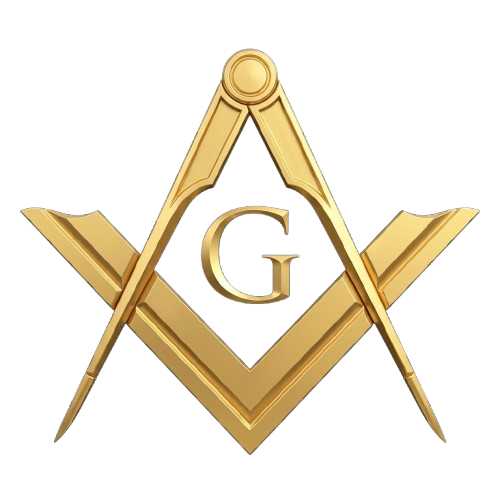
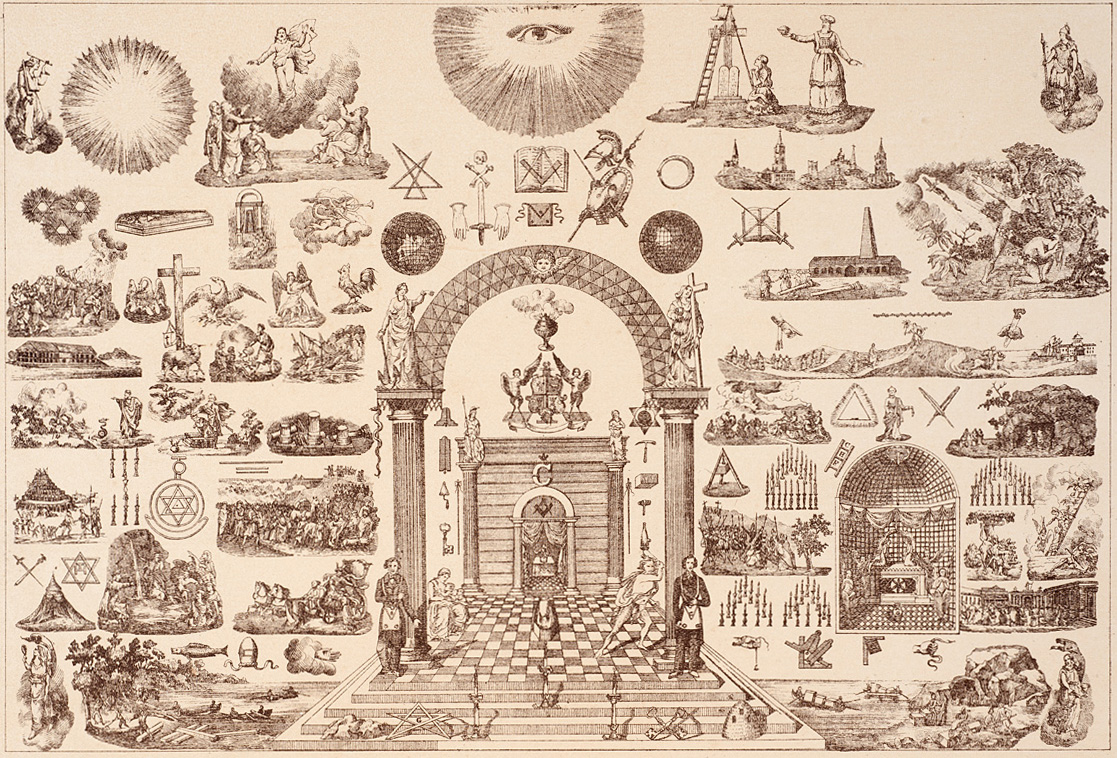
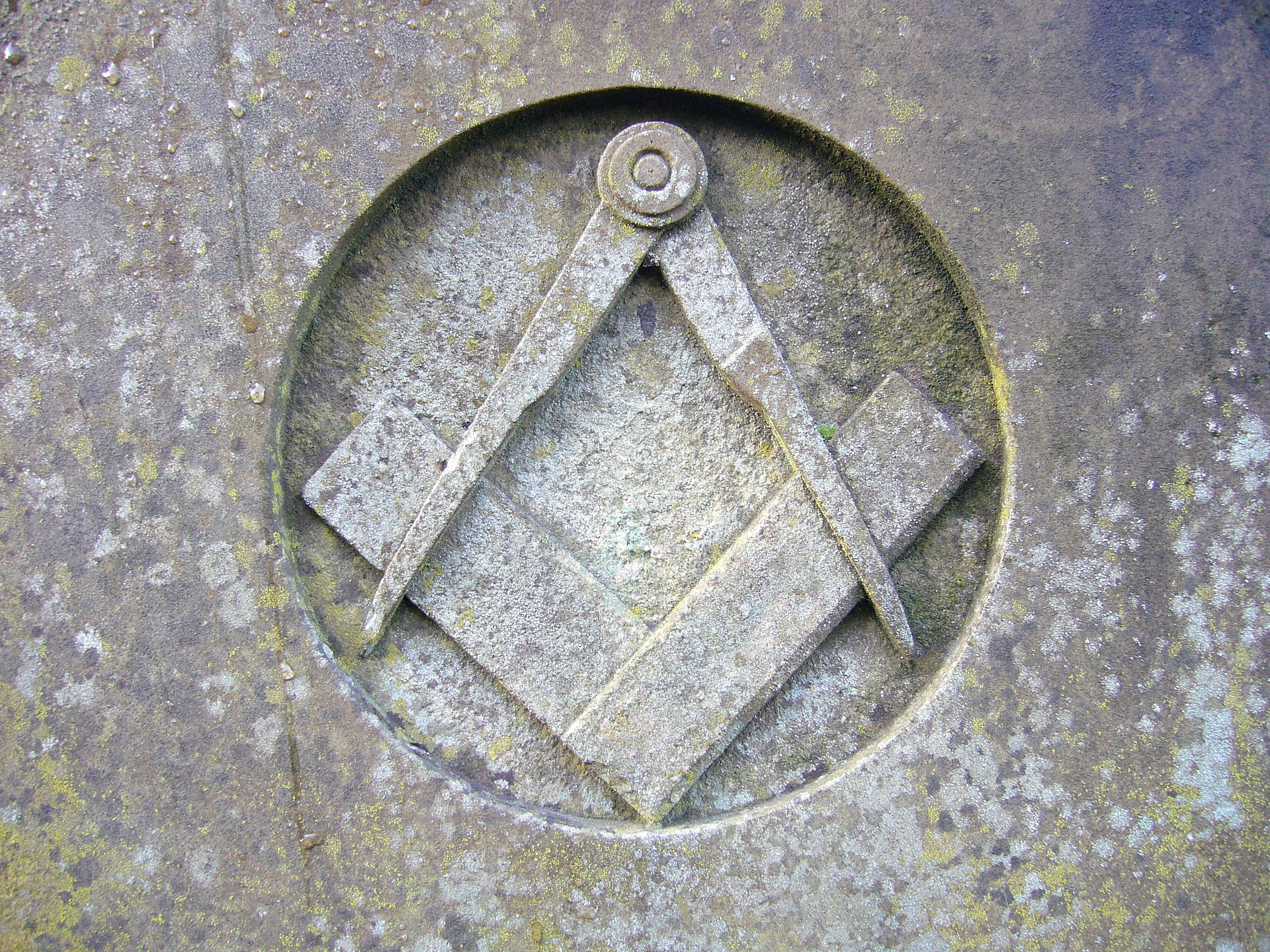
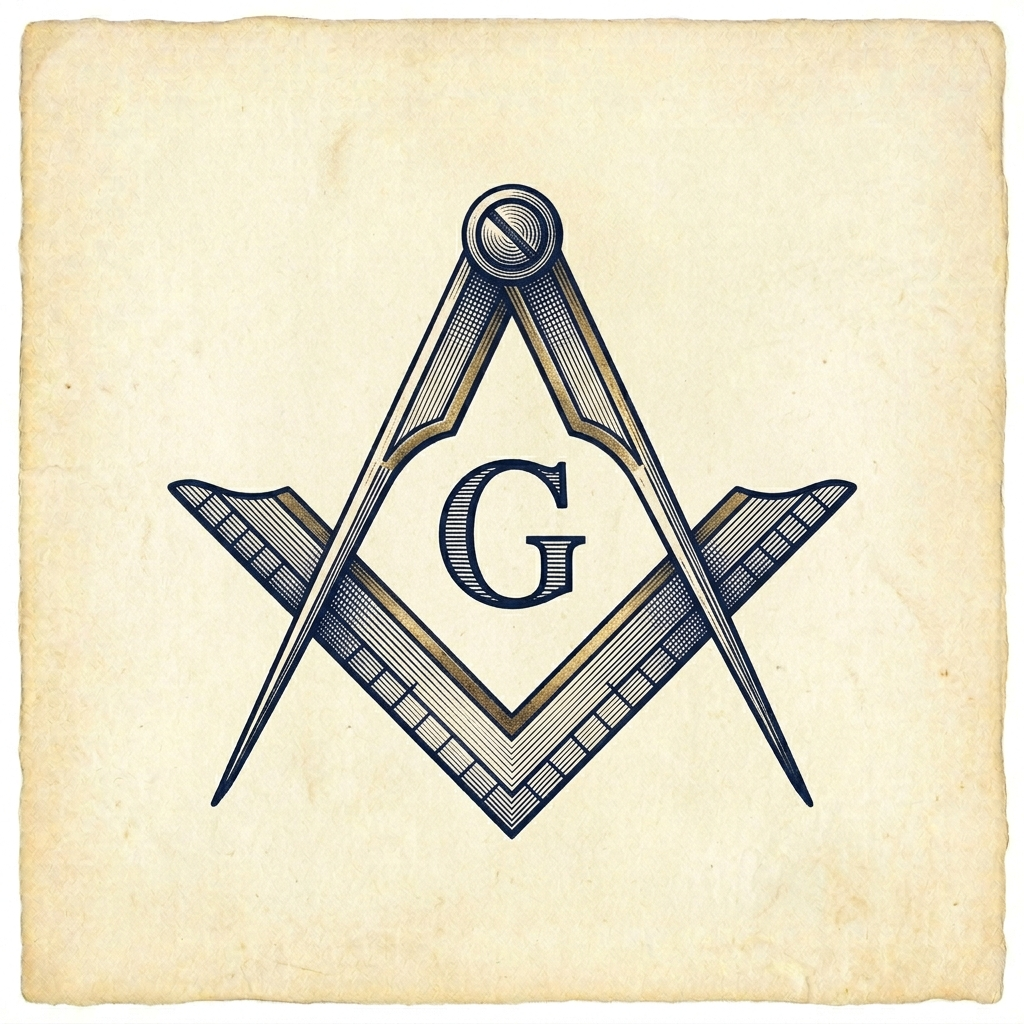
United on the altar with the open Volume of the Sacred Law, the Square and Compasses are the most recognized emblem of Freemasonry. The Square teaches morality — to act on the square is to act honestly and uprightly. The Compasses teach the Mason to circumscribe his desires and keep his passions within due bounds toward all mankind. The letter G, suspended in the center, signifies both Geometry — the first and noblest of sciences — and God, the Great Architect of the Universe.
The Level
We meet upon the Level
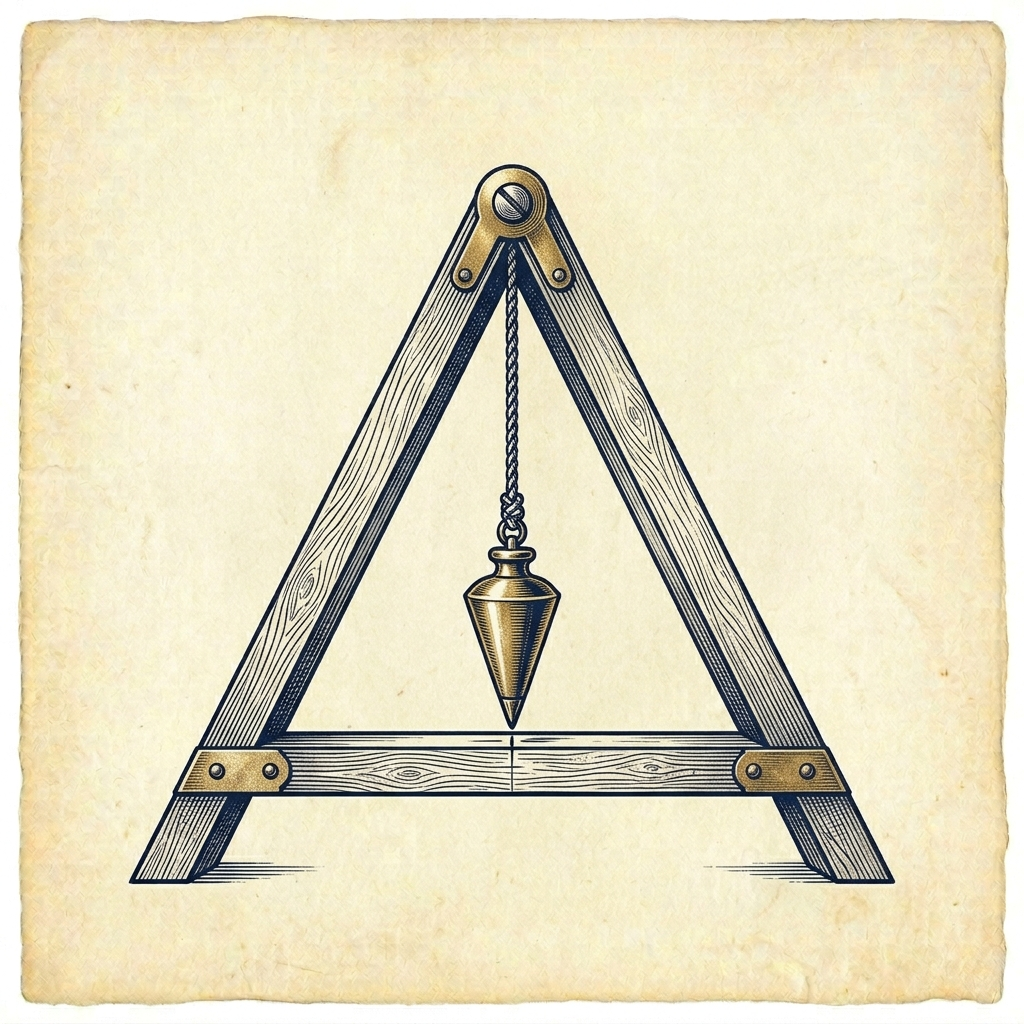
The Level is the jewel of the Senior Warden and a working tool of the Fellow Craft. Its lesson is one of equality. We are taught that we are traveling upon the level of time to that undiscovered country from whose bourn no traveler returns — and that, distinctions of rank and wealth notwithstanding, all men are equal in the sight of God and at the moment of death.
The Plumb
Walk uprightly
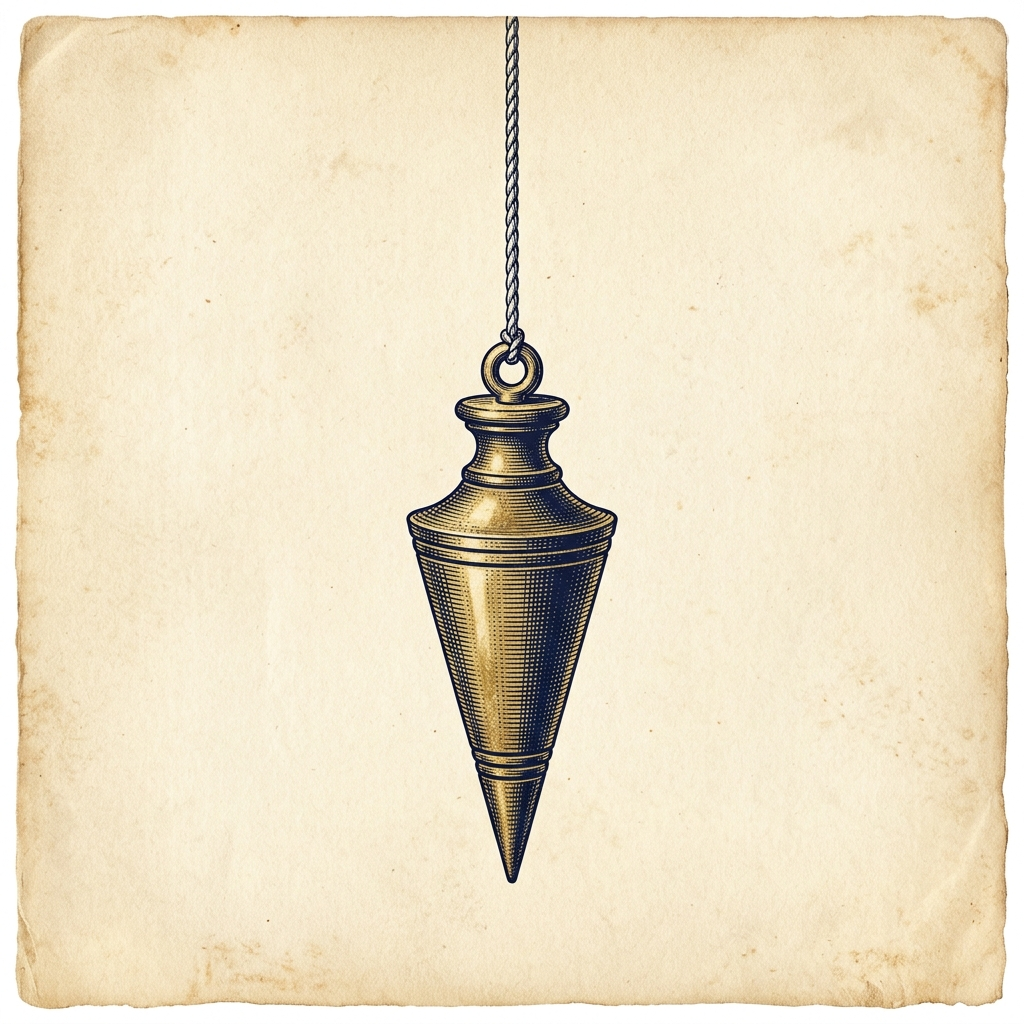
The Plumb is the jewel of the Junior Warden. It admonishes the Mason to walk uprightly in his several stations before God and man, neither turning to the right nor to the left from the paths of virtue, but holding the scale of justice with equal poise.
The Trowel
Spread the cement of brotherly love
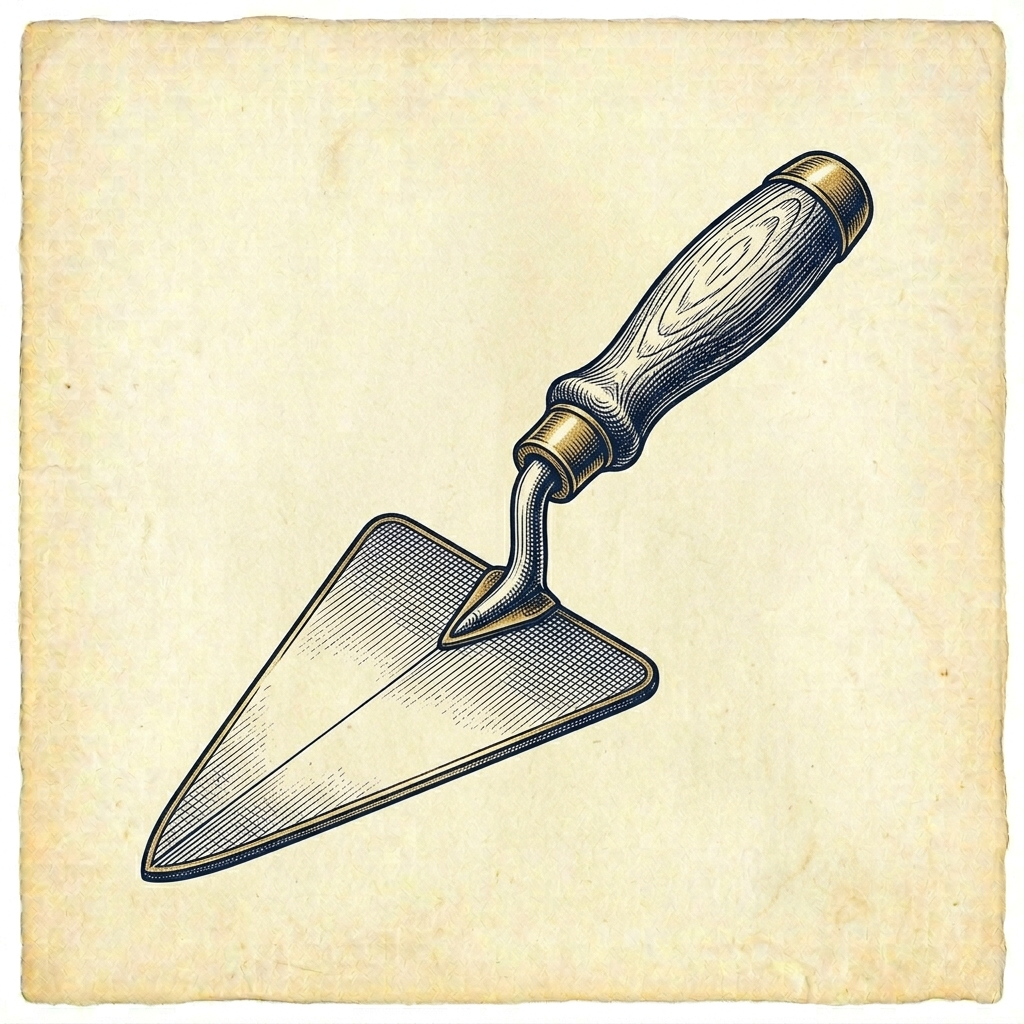
The Trowel is the working tool of the Master Mason. Operative masons used it to spread cement that united a building into one common mass; speculatively, it is the tool by which we spread the cement of brotherly love and affection — that cement which unites Masons into one sacred band of friends and brothers, among whom no contention should ever exist.
The Common Gavel
Divest the heart of vice
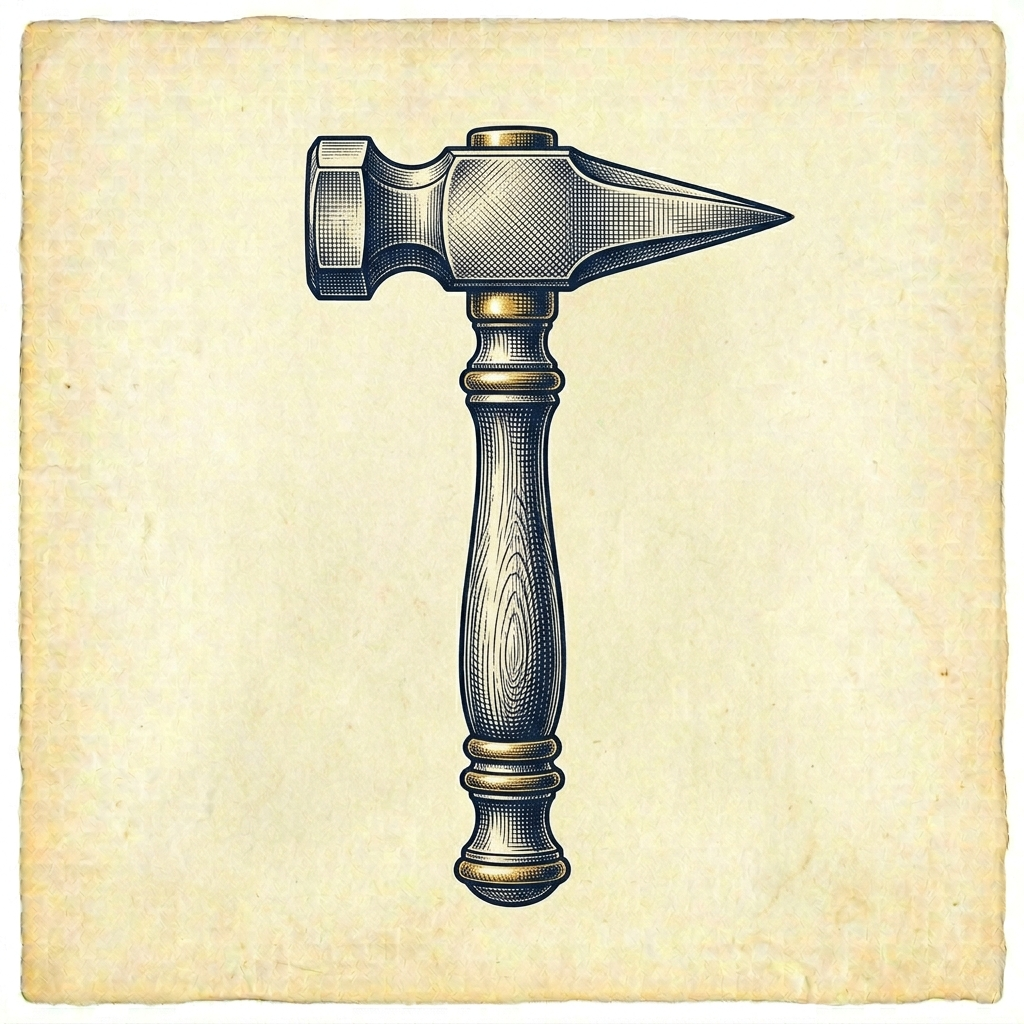
The working tool of the Entered Apprentice. Used by operative masons to break off the rough corners of stone; speculatively, used to divest our hearts and consciences of all the vices and superfluities of life. In the East, the gavel is also the symbol of the Worshipful Master's authority.
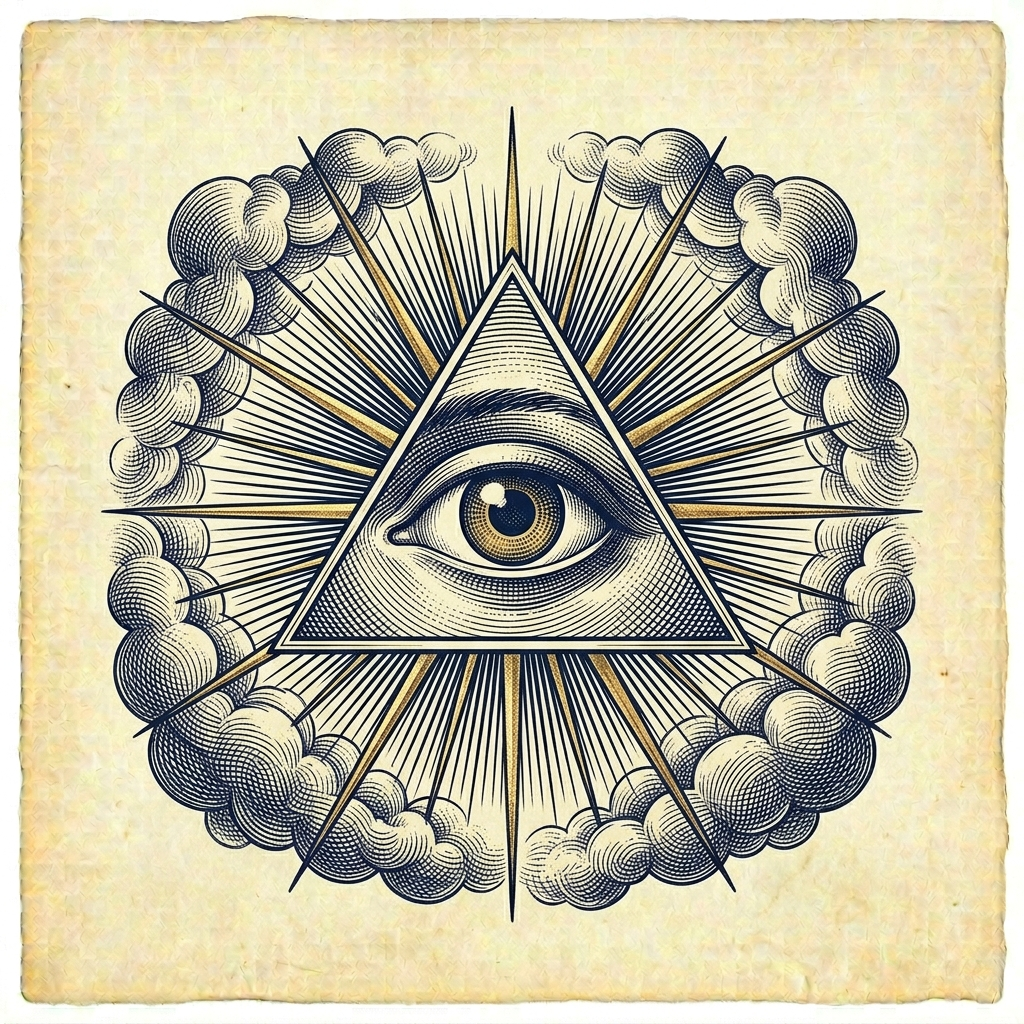
The All-Seeing Eye
An emblem of Divine providence
The All-Seeing Eye is the symbol of that Divine providence whom the sun, moon, and stars obey, and under whose watchful care even comets perform their stupendous revolutions. It pervades the inmost recesses of the human heart and reminds the Mason that his every thought and deed is observed by the Supreme Being.
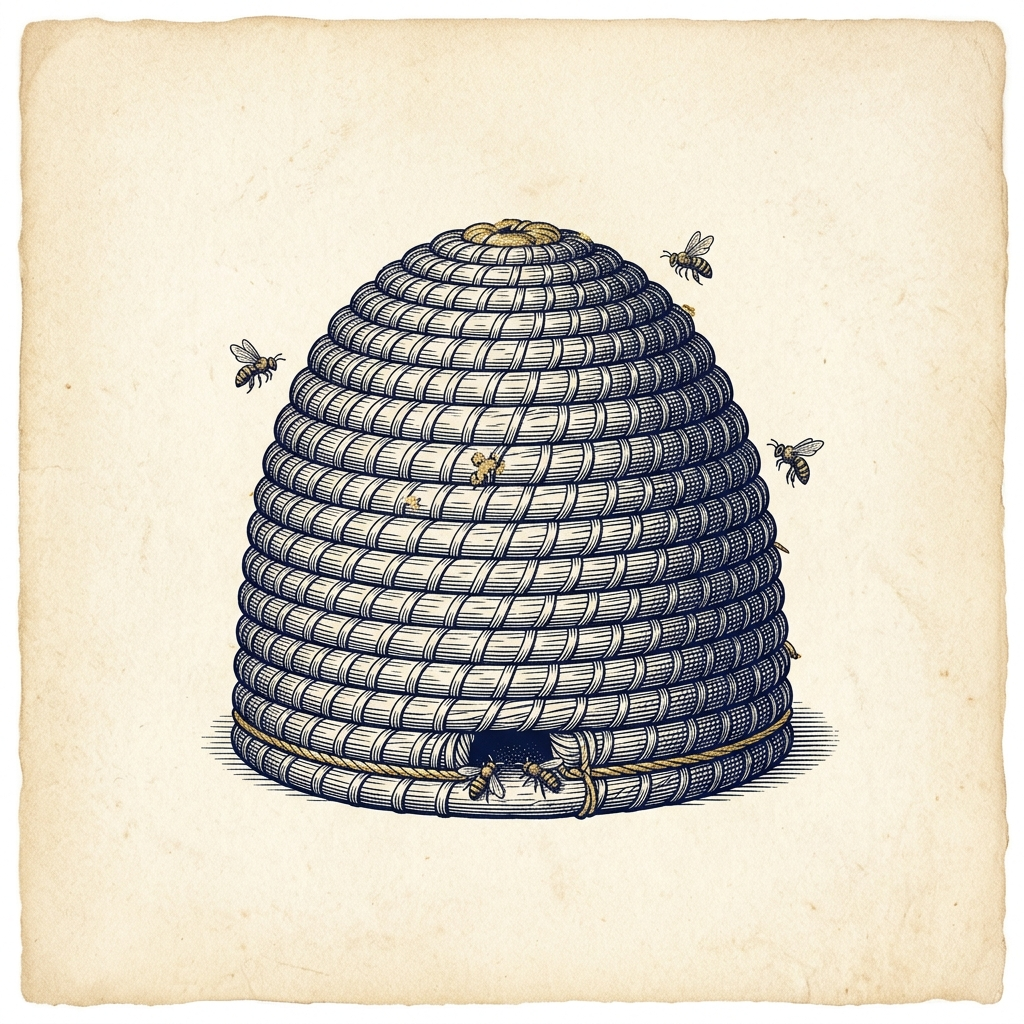
The Beehive
Industry and brotherhood
The beehive is an emblem of industry. It recommends the practice of that virtue to all created beings — from the highest seraph in heaven to the lowest reptile of the dust — but especially to Masons, who, like the bees of the hive, ought never to be content to live upon the labors of others, but to labor honestly for the welfare of the whole.
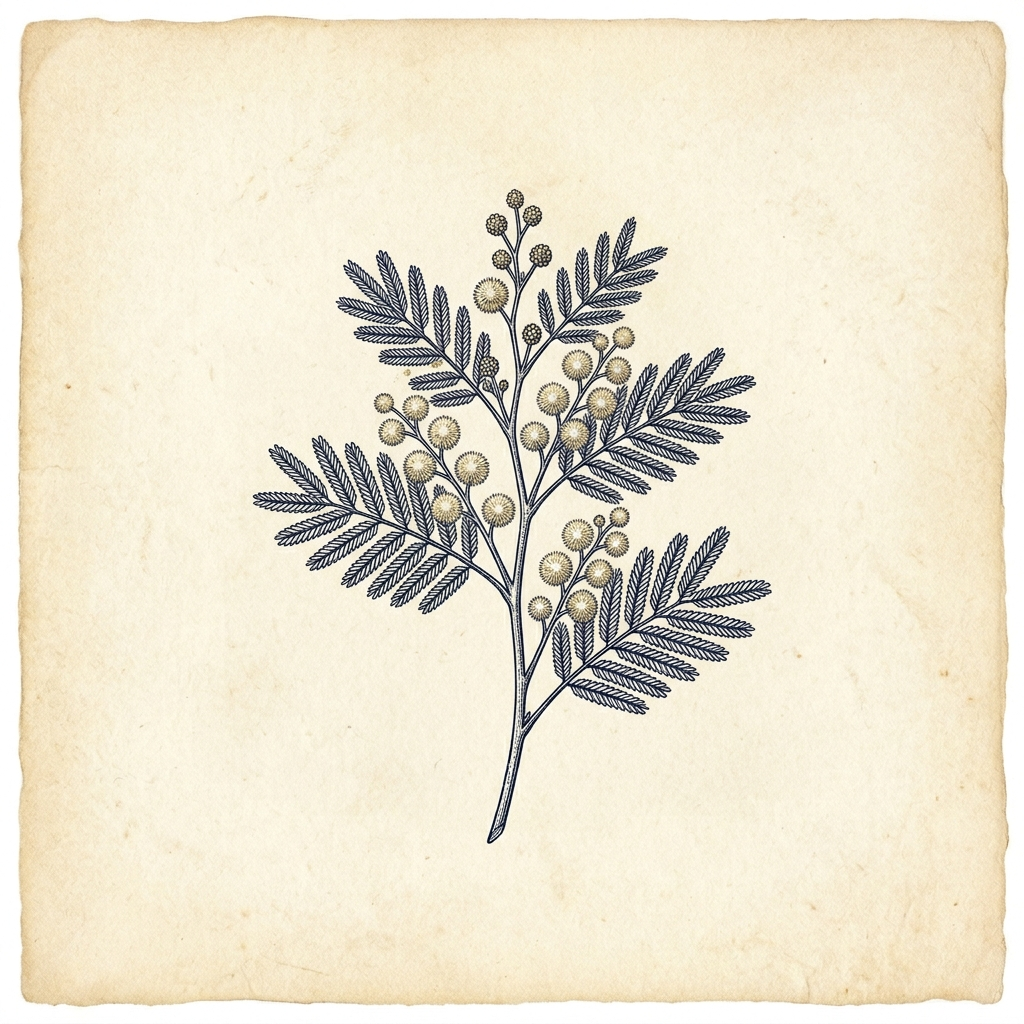
The Sprig of Acacia
The immortality of the soul
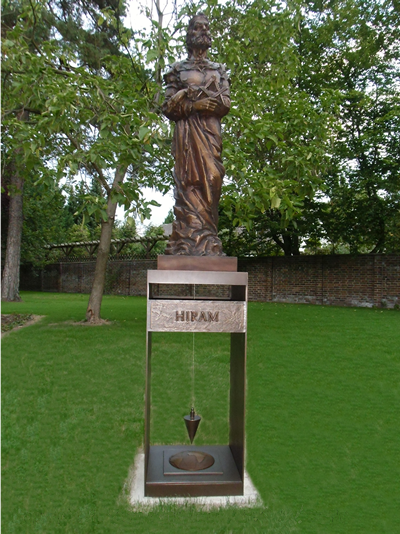
An evergreen sprig said to have been planted at the head of the grave of Hiram Abiff to mark its location. As an evergreen tree, the acacia is the Masonic symbol of the immortality of the soul — that imperishable part of man which survives the grave and bears the nearest affinity to the Supreme Intelligence.
The Three Pillars
Wisdom, Strength, and Beauty
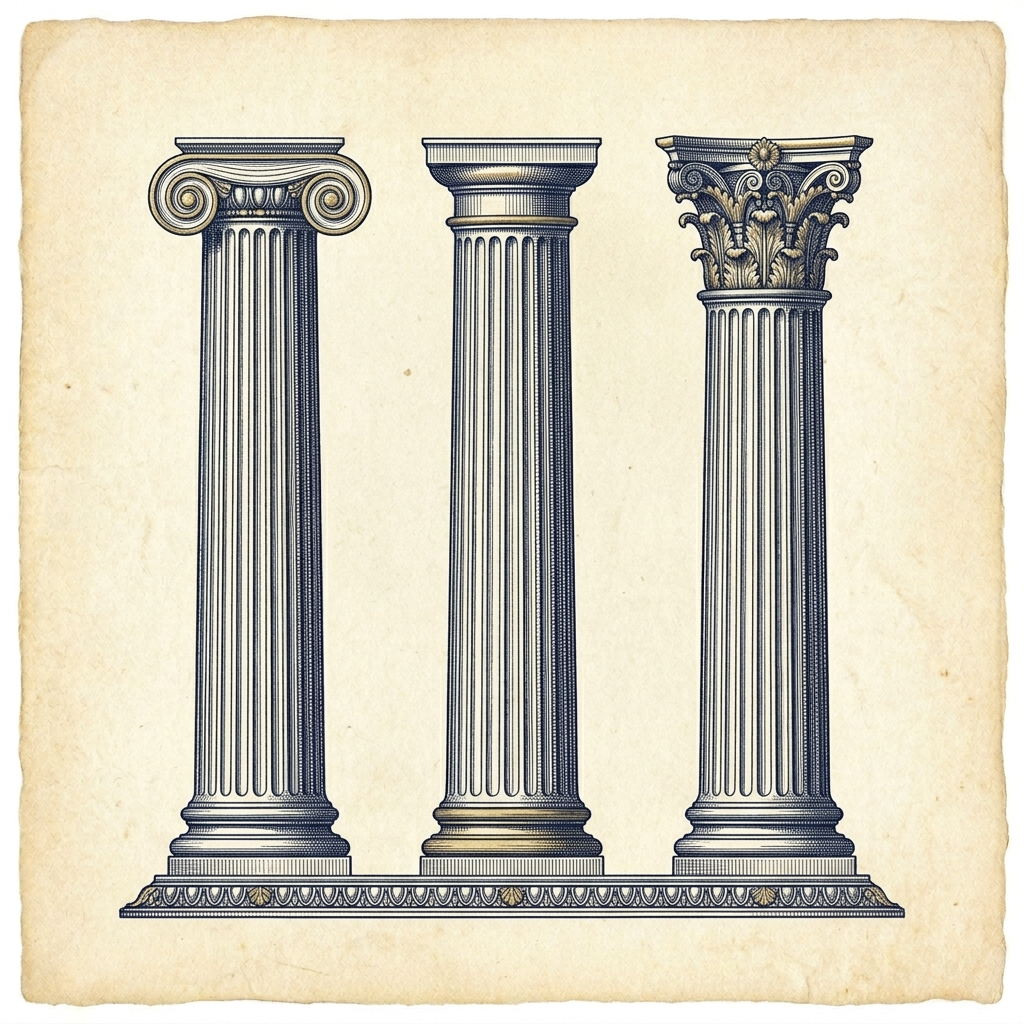
The Lodge is supported by three great pillars: Wisdom (Ionic) in the East, represented by the Worshipful Master, to contrive; Strength (Doric) in the West, represented by the Senior Warden, to support; and Beauty (Corinthian) in the South, represented by the Junior Warden, to adorn. As King Solomon was for wisdom, Hiram, King of Tyre, for strength, and Hiram Abiff for beauty — the masters of the great work.
The Lambskin Apron
The badge of a Mason
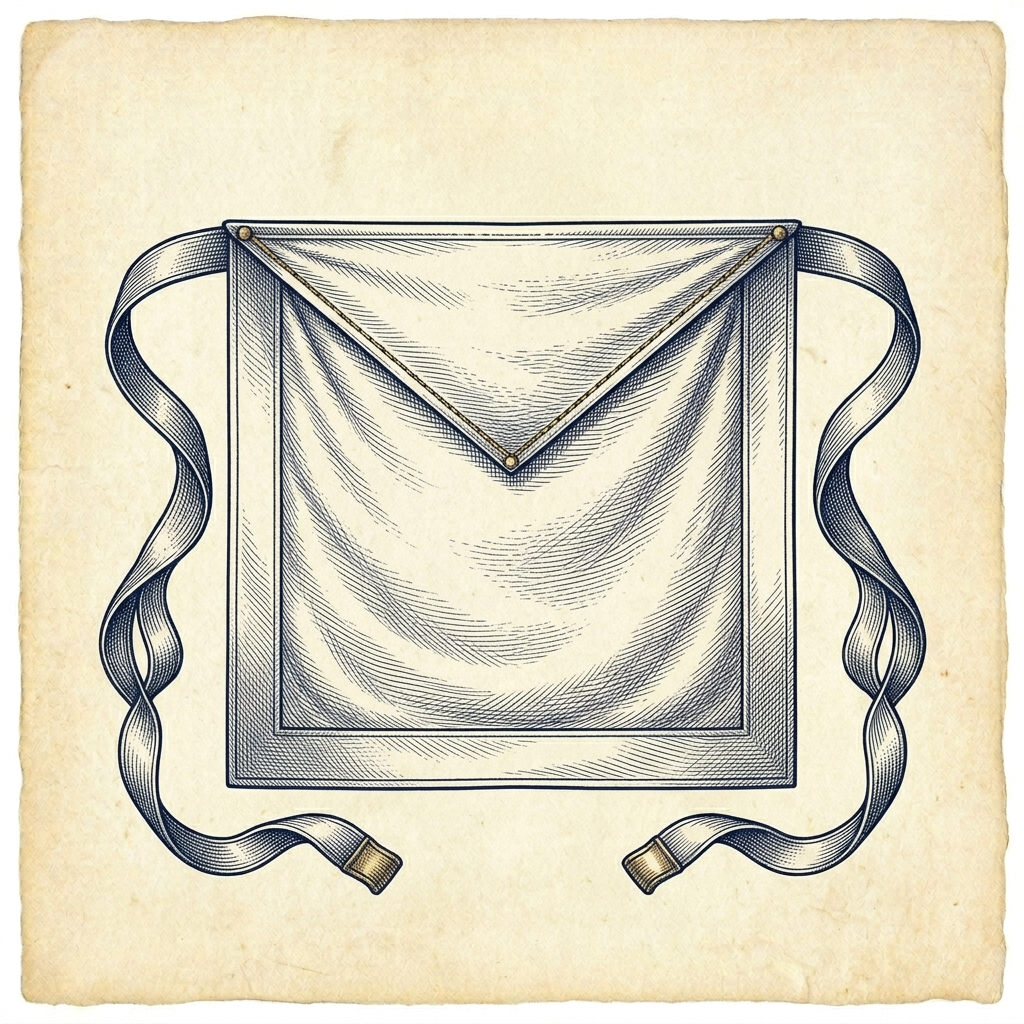
More ancient than the Golden Fleece or Roman Eagle, more honorable than the Star and Garter or any other order that could be conferred. The lambskin apron, white as a symbol of innocence and purity of life, is the badge of a Mason. Every Mason is presented with one at his initiation and is exhorted never to disgrace it.
The Volume of the Sacred Law
The rule and guide of faith
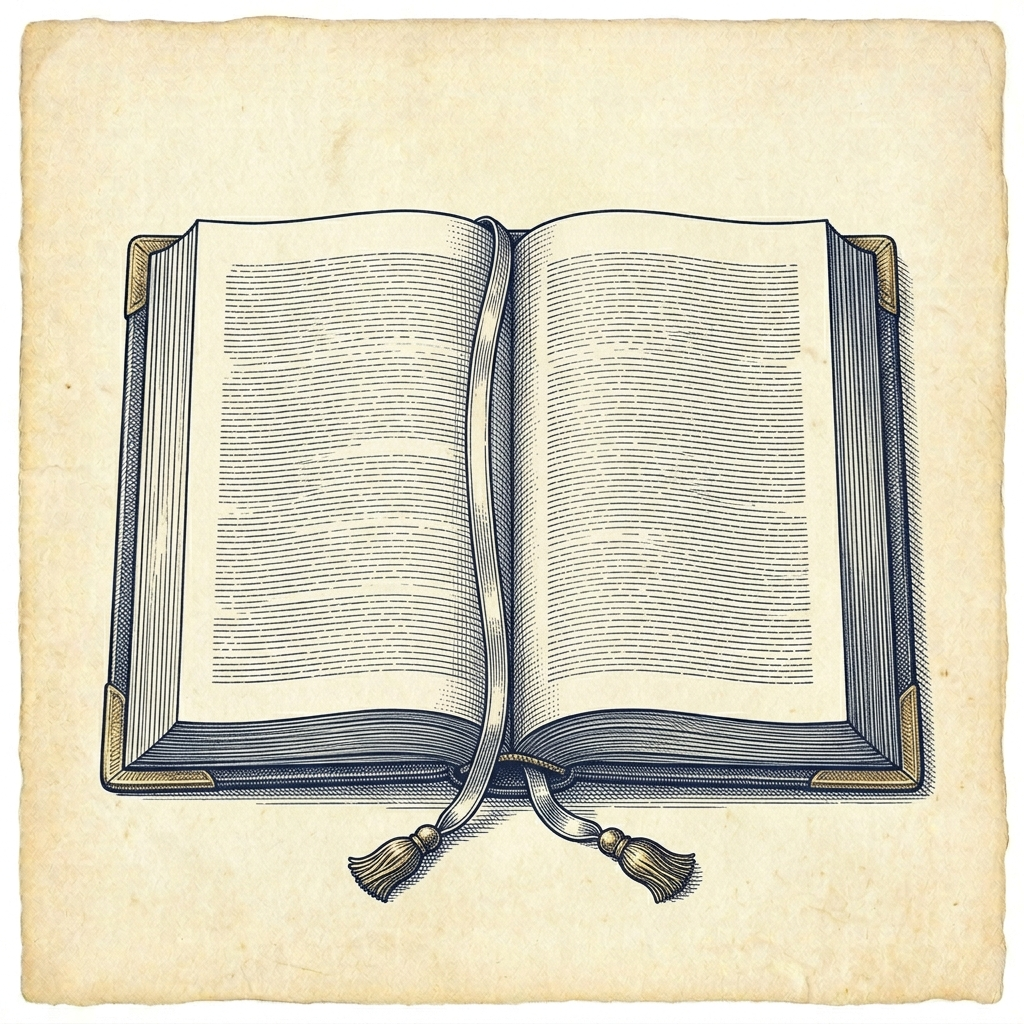
Open upon the altar at every meeting, the Volume of the Sacred Law is one of the Three Great Lights of Masonry, together with the Square and Compasses. It is the rule and guide of faith and practice — for, while Masons of every faith are welcomed at the altar, no Lodge may be opened without the Sacred Volume in its midst.
The Blazing Star
The center of the lodge
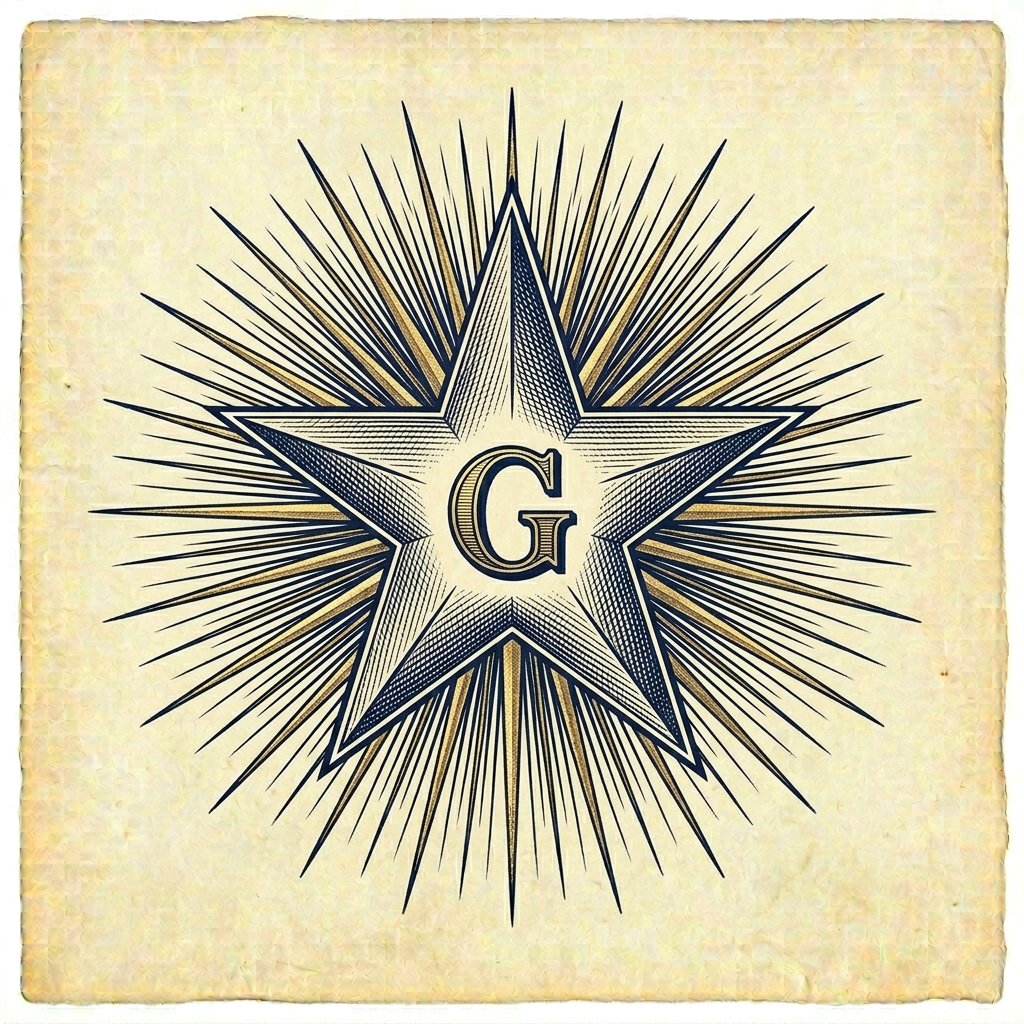
Set in the center of the mosaic pavement of King Solomon's Temple, the Blazing Star is a symbol of Divine providence and a reminder that, wherever a Mason may go upon the earth, the same star of guidance shines for him. With the letter G in its center, it unites the symbol of Deity with the radiant emblem of His omnipresence.
The Brotherly Grip
We part upon the Square
The handshake — the grip — is one of the oldest forms of Masonic recognition and is made memorable in each of the three degrees. More than a sign, it is the visible token of an invisible bond — the pledge of fidelity and good faith from one Brother to another, given on the level and renewed upon the square.